Generated illustration — not a depiction of a specific location
19 January 2026 · 4 min
Updated on 03/11/2026 · Original article: 30/12/2025
The date above follows the editorial calendar; the content was revised on the update date.
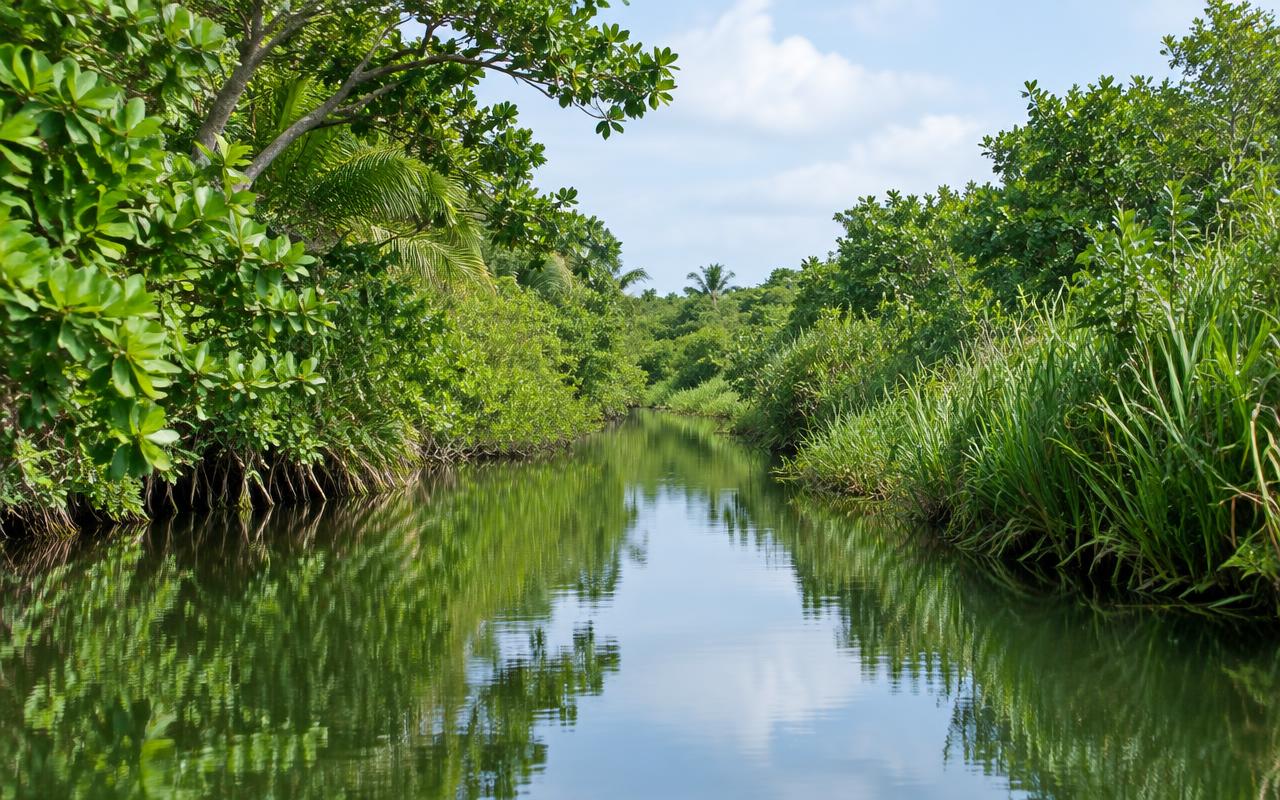
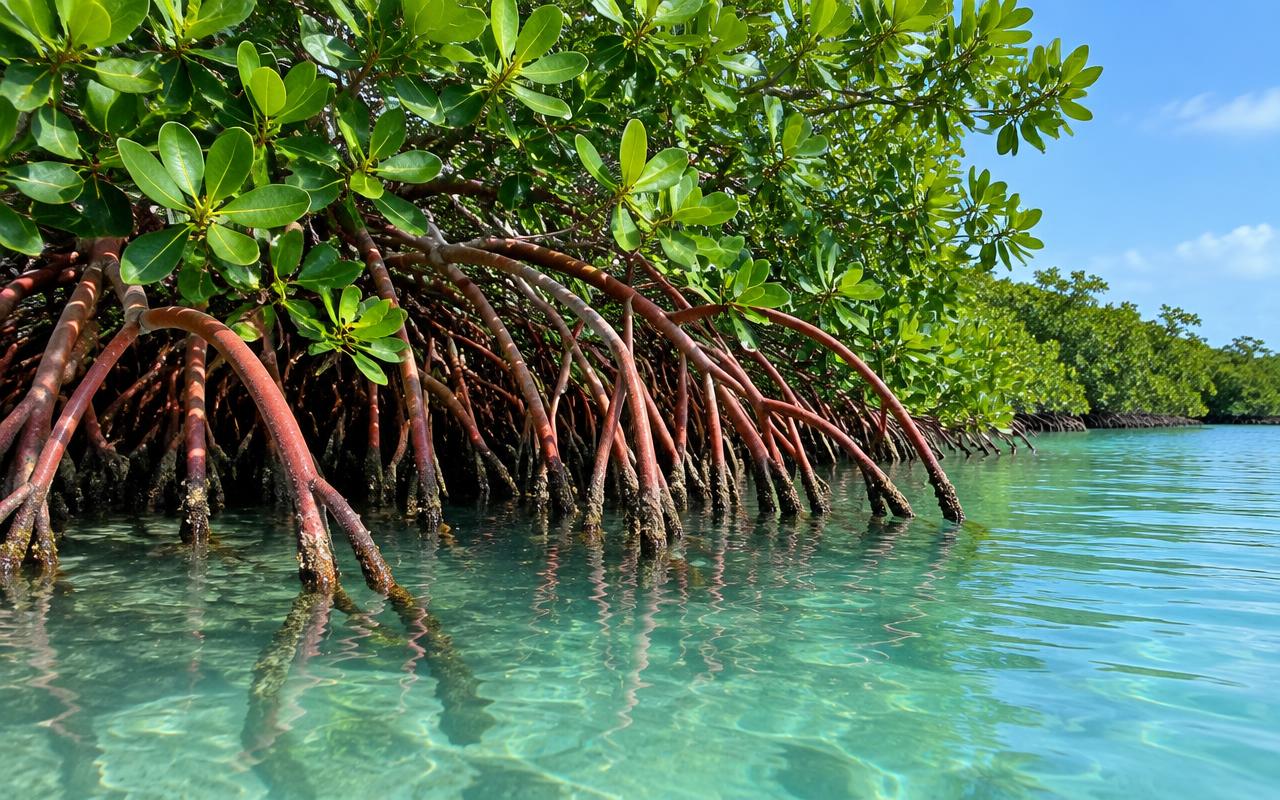
Where land meets water, mangrove roots offer a first glimpse of Grand Cul-de-Sac Marin. Behind this landscape, a forest, marine environments and wetlands interact between Grande-Terre and Basse-Terre. To explore the bay, choose an outing that explains these relationships rather than promising wildlife or deserted islets. This guide helps you understand the ecosystem and compare ways of visiting, while respecting the rules of protected areas.
Recognise a network of connected environments
Grand Cul-de-Sac Marin is more than a backdrop of roots. The mangrove belongs to a coastal and marine system whose environments interact. The value of an outing lies precisely in understanding these relationships: what happens at the boundary between land and water cannot be isolated from the rest of the bay. Ask the guide to put the area you are exploring into context before you begin observing.
The mangrove is a forest adapted to particular conditions, notably waterlogged soils and the presence of salt. Root shapes and the distribution of trees provide a basis for explaining these adaptations. Rather than learning a series of names, try to understand the challenge addressed by each form you observe: how does the tree support itself, and how does it live in this environment?
See a nursery without expecting an aquarium
The nursery role attributed to the mangrove by the National Park does not mean that large numbers of young animals will be immediately visible. The roots and the shelters they create contribute to the functioning of the environment, even when little can be seen through the water. A guide can explain these connections through the landscape, without having to capture an animal or stir up the bottom to prove they exist.
This perspective changes the visitor’s outlook. Attention turns to supporting structures, refuges and transitions rather than a succession of spectacular encounters. From your permitted position, observe the differences between a forest edge and a more open space. Ask questions about water circulation and the relationships between vegetation and wildlife. A clear explanation can make an apparently motionless scene fascinating, without turning the outing into a forced demonstration or encouraging people to approach animals.
Choose how to explore according to your interests
Before comparing outings, clarify your priority: learning how the forest works, watching birds from a distance or understanding the layout of the bay. A programme combining too many objectives risks leaving little room for explanations. Ask how much of the visit is devoted to interpretation and whether the group can ask questions during suitable stops.
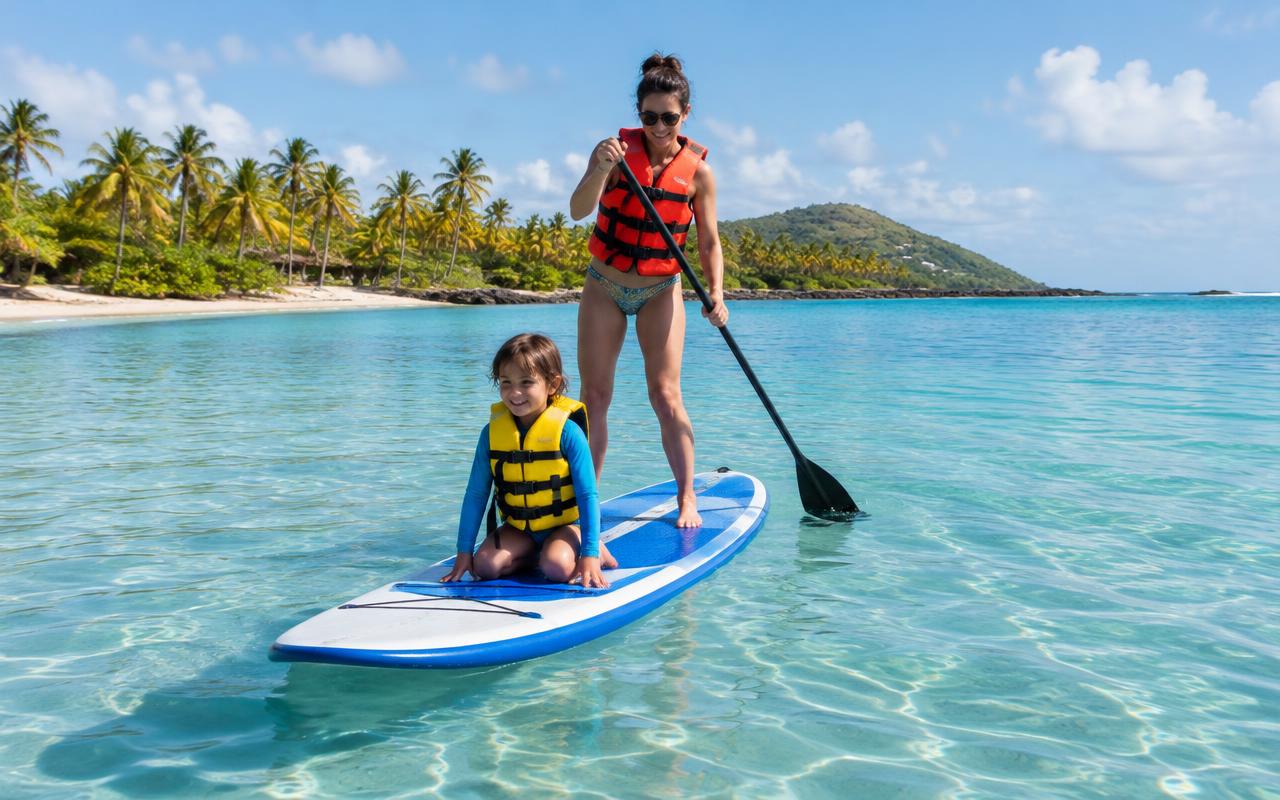
Kayaking and boat trips involve different ways of participating. Find out about the effort required, seating on board and the arrangements available to meet everyone’s needs. Keeping disturbance to a minimum also depends on the group’s behaviour and respect for distances; it does not follow automatically from the type of craft alone.
Finally, choose an operator who can explain why certain passages or landings are excluded. These limits do not remove an essential part of the experience: they help you understand that the landscape remains a habitat before it is a visitor destination. On your return, you can sketch out the environments you encountered. This personal map will preserve the meaning of your discovery better than a promise of a secluded islet or an animal sighting.
Understand the mangrove
The National Park describes this coastal forest as a fragile environment that shelters and serves as a nursery for many species. Observing the roots and the transition between land and water helps you understand this role. Do not trample them or collect vegetation or animals for a closer look.
Choose a suitable outing
Before booking, ask about the area actually visited, the mode of travel, supervision and participant requirements. Kayaking and boat trips do not involve the same constraints. Check the equipment, weather, return procedure and the possibility of cancelling or changing the outing.
Respect protected areas
Rules may vary between islets and areas. Ask where landing, anchoring and movement are permitted. Do not land in a nesting area or pursue any animal. A provider should be able to explain how they limit noise and disturbance, not simply advertise encounters.
Observe without guarantees
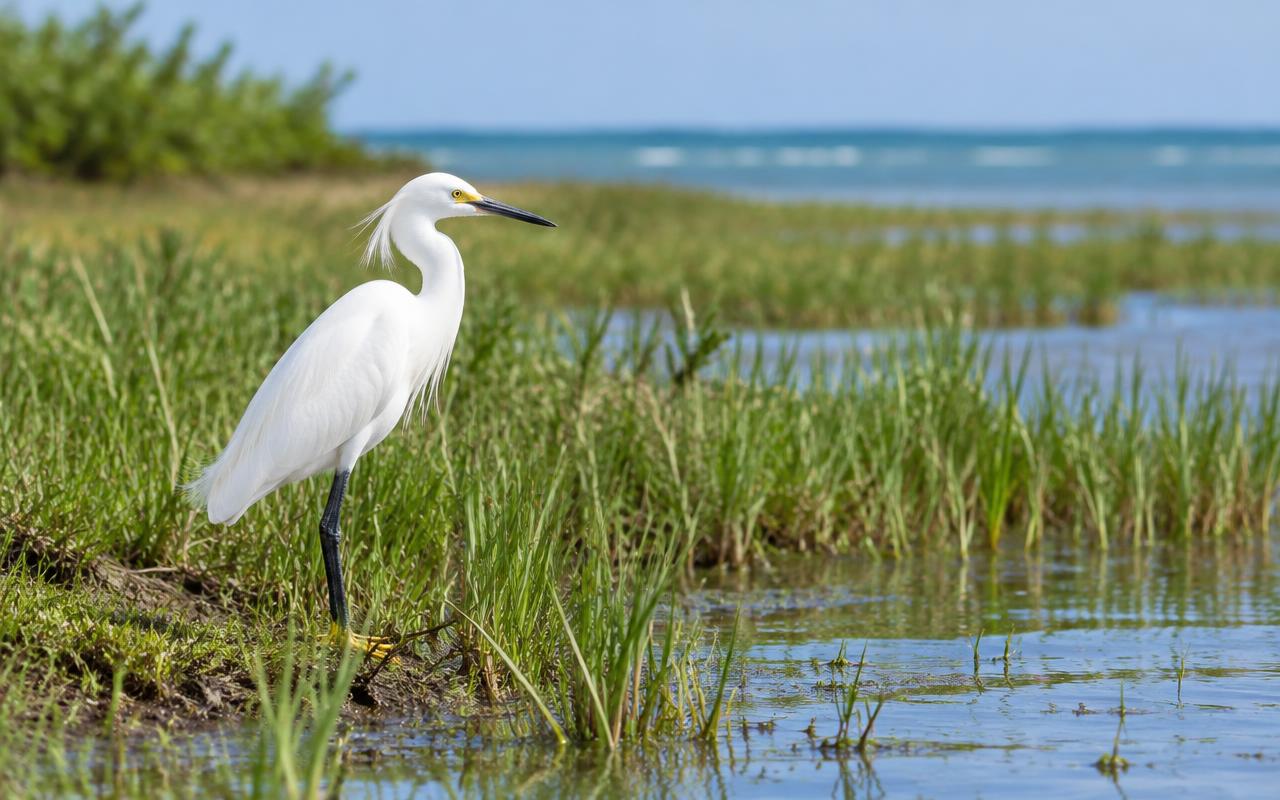
The bay’s wetlands are important for birds; a sighting is nevertheless never certain. Bring binoculars, accept the distance and listen to the explanations about the natural environment. Take your rubbish away and avoid any food intended to attract wildlife. A responsible visit leaves the environment as peaceful as it was on arrival.
Reference sources
Stay in Grande-Terre
Our homes in Le Moule and Saint-François.