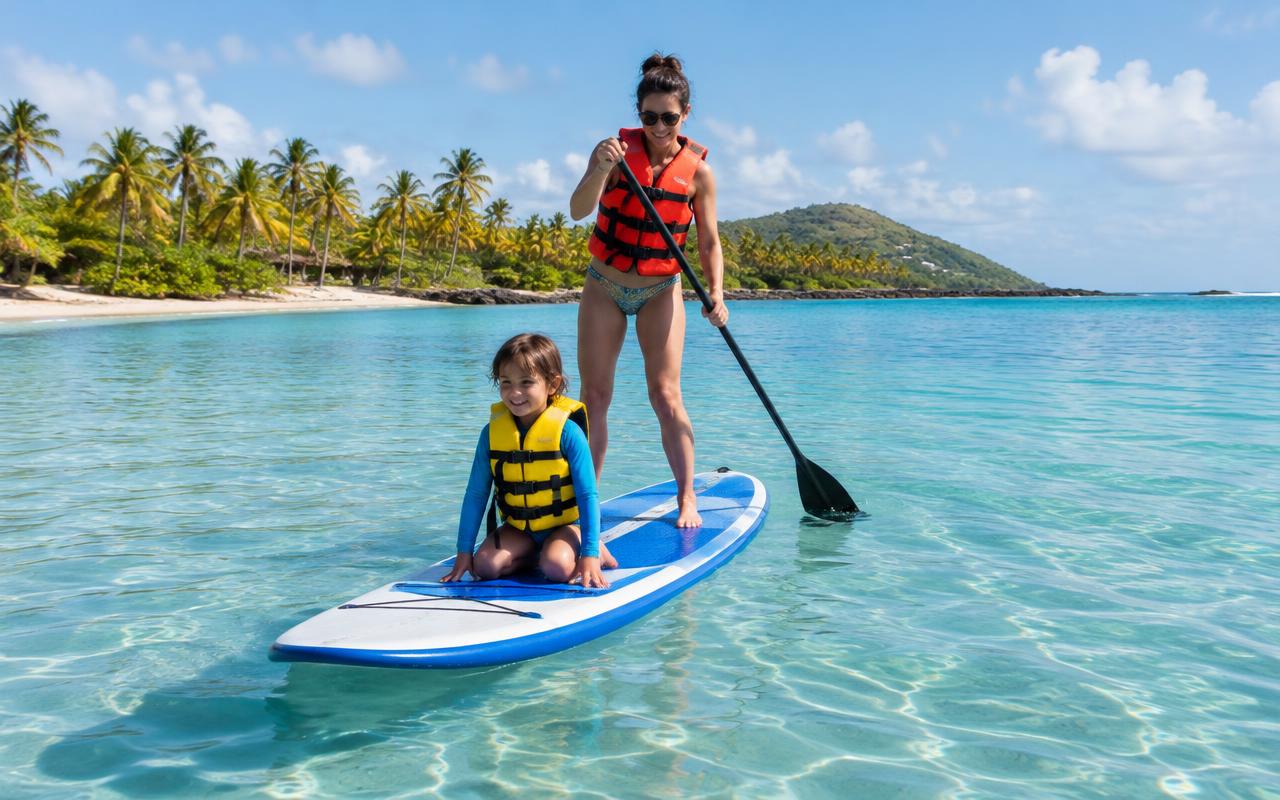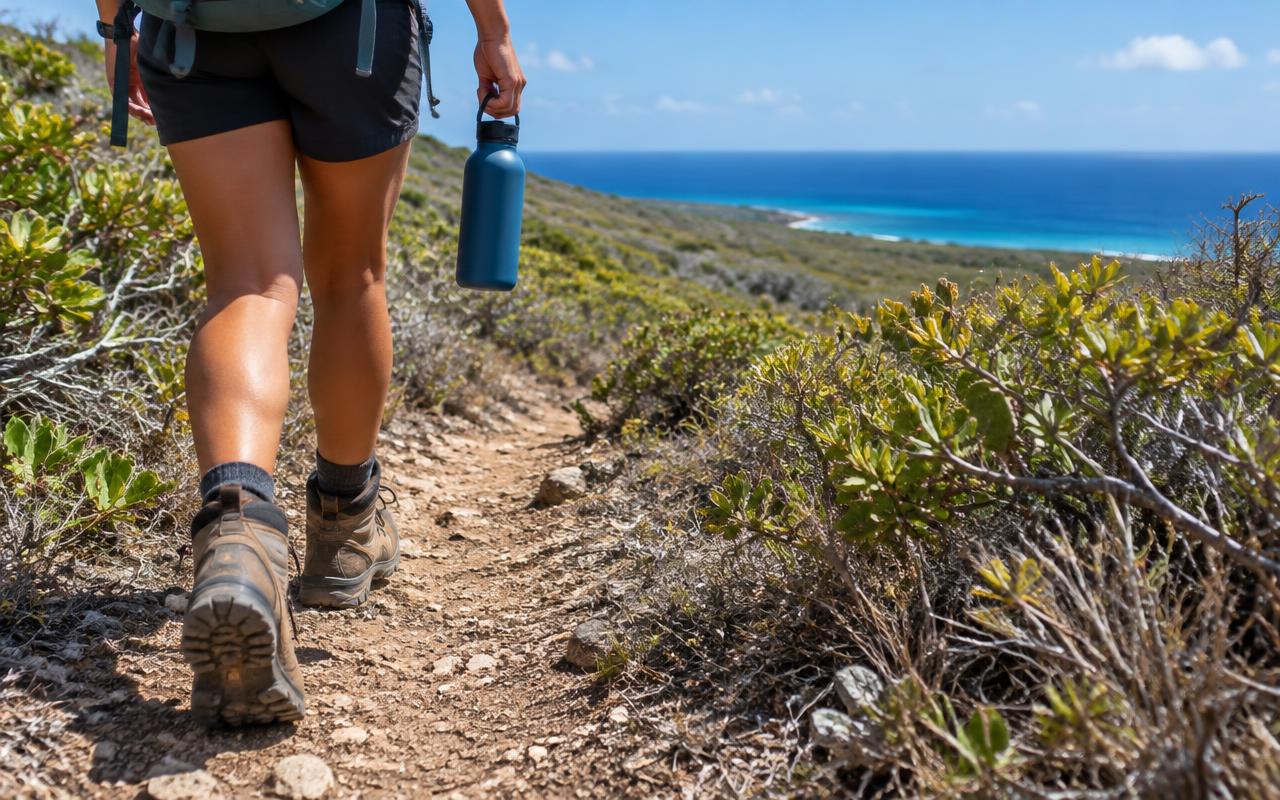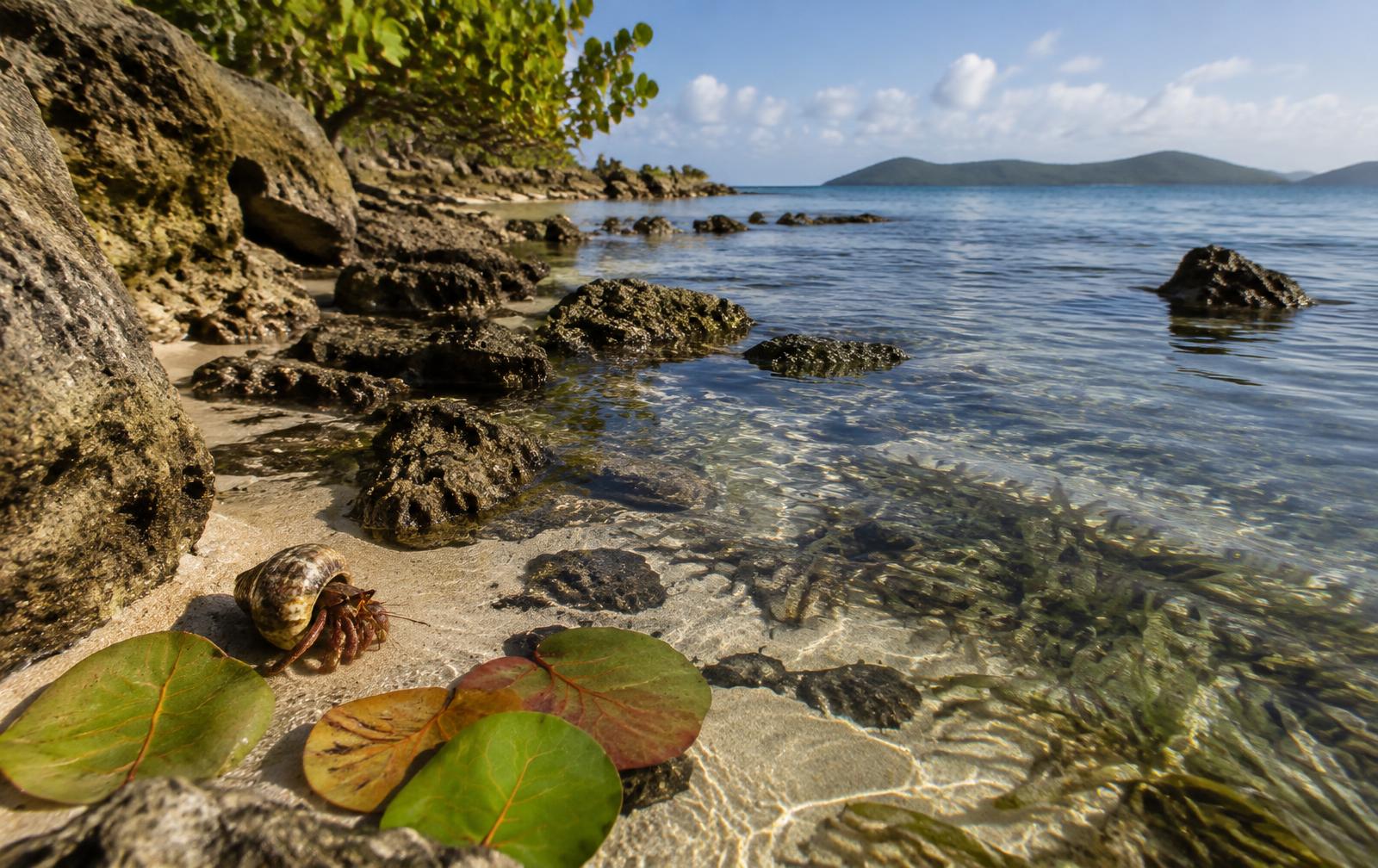
Generated illustration — not a depiction of a specific location
24 August 2026 · 4 min
Updated on 03/11/2026
The date above follows the editorial calendar; the content was revised on the update date.
Guadeloupe’s coastline is its greatest asset: golden sandy beaches, coral reefs, turquoise lagoons and secluded mangroves. It is also a fragile environment, under pressure from visitors and the climate alike. A few simple habits allow you to enjoy it without damaging it — and to pass it on intact.
Understanding what makes the coastline fragile
The coral reef bordering part of Grande-Terre is not a lifeless backdrop: it is a living ecosystem. Repeated contact with feet or fins, products and practices unsuited to the environment, litter left on the sand — all small pressures which, together, degrade the habitat.
The mangrove, meanwhile, acts as a nursery for many species and protects the coast from erosion. Finally, sea turtles come ashore to lay their eggs on certain beaches in the archipelago, depending on the season: keeping quiet and maintaining your distance are essential if you are lucky enough to encounter one.
On the beach: actions that matter
- Take your rubbish away with you, including cigarette ends and small wrappers that the wind quickly scatters.
- Take nothing from the beach: no coral, living shellfish or sand. This rule applies to ‘souvenirs’ too.
- Respect marked areas, particularly those protecting turtle breeding or dune regeneration.
- Use existing paths rather than trampling dune vegetation.
In the water: swimming without causing harm
Swimming and snorkelling are unmissable pleasures. To enjoy them sustainably:
- Choose suitable protective clothing and follow health guidance on sun protection; a marketing claim cannot guarantee the absence of environmental impact.
- Never touch or walk on coral: it breaks in a second and takes years to grow back.
- Watch fish and turtles from a distance, without feeding or chasing them.
- Find out about areas where anchoring and swimming are regulated, particularly in protected areas such as Petite-Terre.
Choosing responsible outings
Boat trips — to La Désirade, Petite-Terre or snorkelling spots — are becoming increasingly common. Before booking, a few useful questions to ask the operator concern group sizes, their approach to wildlife and waste management on board. A reputable professional will answer openly.
On land, the same rule applies: favour guides and hire companies that know and respect the places they introduce you to.
Travelling with children: passing on good habits
Holidays are the best time to learn. Explaining why we do not collect coral, why we put wrappers in our bag, why we watch turtles from afar: these little lessons are worth more than any lecture. Children often return home more protective of nature than adults.
From your accommodation too
Respect for the coastline starts at your accommodation: sort whatever waste can be recycled, limit water and electricity wastage, and avoid highly polluting products in the kitchen and bathroom. Simple actions that, over a season, really count.
Drawing on those who protect it
In Guadeloupe, several organisations work actively to preserve the coastline, and drawing on their expertise is the best way to visit responsibly. The national park marks trails and sites to welcome visitors without degrading habitats: using its designated routes and facilities is already a way of protecting them. Local associations regularly organise beach clean-ups that holidaymakers can join — a lovely family activity to build environmental awareness. Some watersports operators commit to sustainable tourism initiatives: identifying them before booking an excursion directs your spending towards good practices.
Finally, information boards at protected sites are not restrictions but keys to understanding: they explain what you see and why it needs care.
Conclusion
Enjoying Guadeloupe’s coastline and respecting it are not contradictory: good habits take nothing away from the pleasure; they prolong it. A clean beach, a living reef, a turtle watched in silence — these are the images you take home.
Checks before heading out
Access, weather and services can change. Check information with official organisations and the venue concerned. A general description guarantees neither safe swimming, wildlife sightings nor admission without a booking. Respect closures; do not chase animals or walk on coral.
Reference sources
Stay in Grande-Terre
Our homes in Le Moule and Saint-François.