Generated illustration — not a depiction of a specific location
23 February 2026 · 4 min
Updated on 03/11/2026 · Original article: 02/02/2026
The date above follows the editorial calendar; the content was revised on the update date.
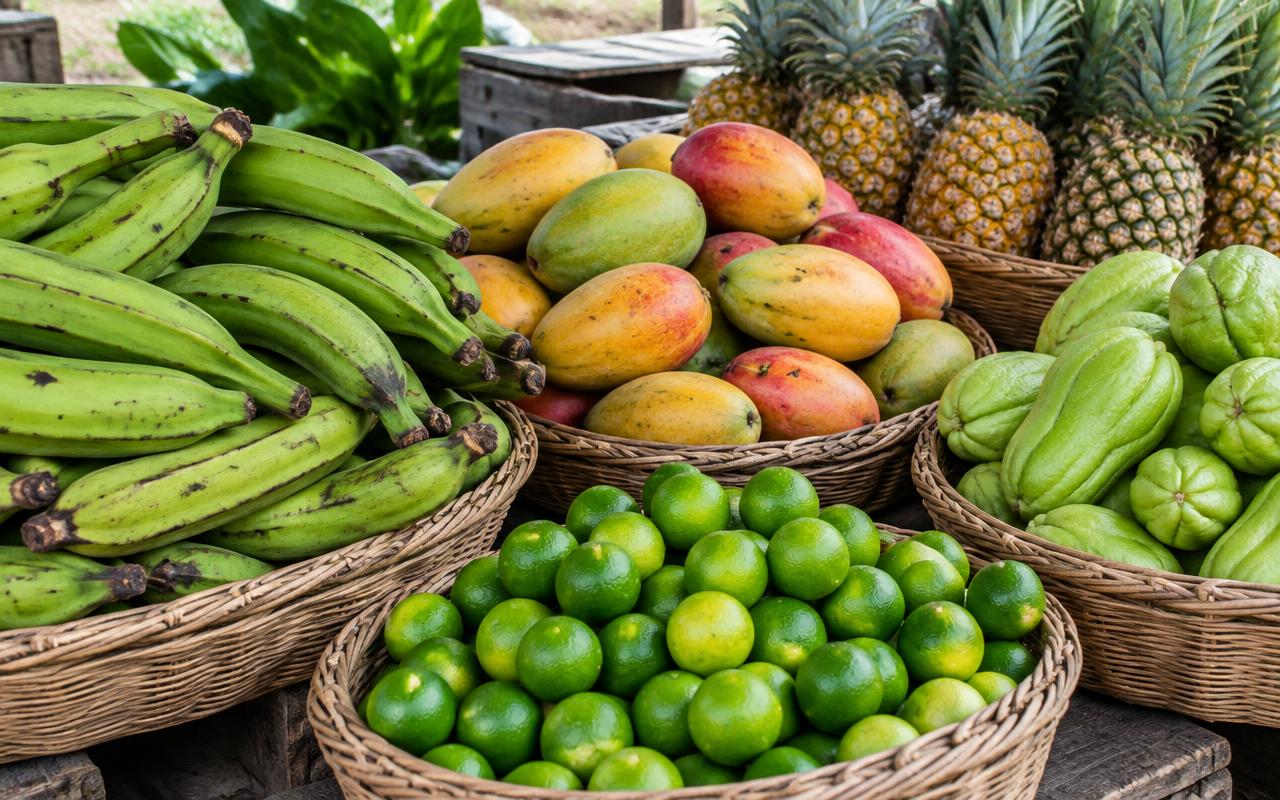
At the market, the name of a vegetable, a preparation tip and an idea for a meal can make for a discovery as memorable as a booked visit. In Le Moule, take time to look at the fresh arrivals and chat without treating the stalls as a backdrop. This guide suggests practical questions, a way to choose quantities and how to organise the journey back with your shopping. Confirm the exact market schedule and location: older publications gave conflicting days, which are not repeated here as guarantees.
Putting together a meal from the stalls
Rather than arriving with a list of recipes requiring specific ingredients, start with a simple, adaptable meal. Ask what is easy to cook with the equipment you have. A vegetable recommended by the seller, a side dish and a piece of fruit may be enough to create a delicious discovery. This flexibility allows you to buy according to what has arrived, without assuming that every product mentioned in a guide will be available.
Look at quantities too: a large item or a generous selection may not suit a small group. Explain how many people will be eating and whether you want to cook straight away. Advice becomes more useful when it responds to your actual circumstances. The market then stops being simply a colourful stroll and becomes the beginning of a meal chosen together.
Asking questions that open up conversation
A specific question is often more fruitful than a general enquiry about ‘Creole cooking’. For an unfamiliar vegetable, ask which part is eaten, how it is prepared and how to tell when it is ready. For a spice blend, ask about its uses and quantities rather than associating it with a single recipe. Note down the name the trader gives you: it will be easier to find the product again later.
The prepared foods on offer can also be a starting point for a conversation about textures and flavour combinations. Ask whether a sauce is added when serving or whether a dish can be bought separately from its accompaniment. This helps everyone explore at their own pace. Do not confuse curiosity with a demand for a demonstration: when the queue is moving, a short question and a thank you keep the conversation pleasant for everyone.
Make returning with your shopping part of the visit
Plan where the market fits into your day around what you intend to buy. If you want to bring back perishable products, returning somewhere with suitable storage should shape what comes next, rather than another excursion. If you will be travelling around for the rest of the day, limit yourself to what you can store properly or eat in suitable conditions. You will enjoy your discoveries more without carrying a perishable meal from one attraction to another.
Back at your accommodation, take a few moments to sort your shopping and note down the advice you received before you forget it. Photographing an ingredient can help you record its name, but does not replace preparation instructions. You can then cook a deliberately simple recipe together, keeping the ingredients recognisable rather than combining too many things.
With children or friends, suggest keeping a small tasting notebook: appearance, texture, aroma and serving style. The aim is not to label one product ‘authentic’ over another, but to tell the story of an encounter and a way of using it. These notes become a souvenir of Le Moule that respects the traders’ work and extends the conversations without turning the market into a spectacle.
Confirm the right market
The tourism resource consulted describes an evening market, but its schedule may change. Ask the town hall or tourist office about the location, day and arrangements for the date of your stay. This guide does not give Friday, Wednesday or any fixed time as a guarantee.
Browse the stalls and ask questions
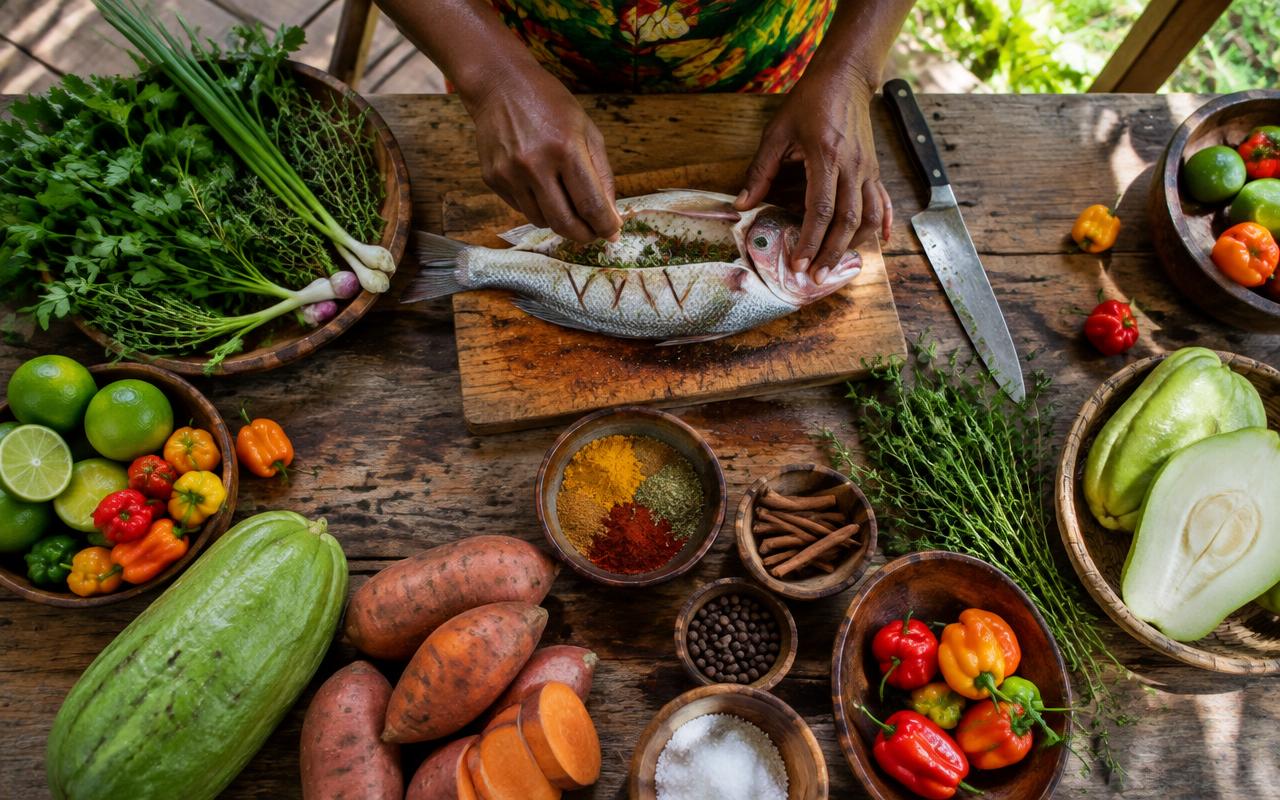
Fruit, local vegetables and prepared foods vary with deliveries. Ask how to cook a christophine or use a spice blend, then buy a small quantity if the product is new to you. Do not automatically assume an unfamiliar food has a familiar use: preparation and the seller’s advice matter.
Buy food to taste or cook
A sturdy bag, some change and a way to keep food cool make shopping easier. For prepared dishes, ask about ingredients and allergens. Follow storage requirements and avoid leaving perishable purchases in a hot car while visiting somewhere else.
Visit respectfully
Do not block a stall to take a photo, and ask people’s permission. Conversations may be brief at busy times: make room for customers. The market is neither guaranteed entertainment nor a picturesque folk backdrop; taking time to listen enriches the experience more than trying to photograph everything.
Reference sources
Stay in Grande-Terre
Our homes in Le Moule and Saint-François.