Carnaval au Moule — Auregann · CC BY-SA 4.0
6 July 2026 · 4 min
Updated on 03/11/2026 · Original article: 01/06/2026
The date above follows the editorial calendar; the content was revised on the update date.
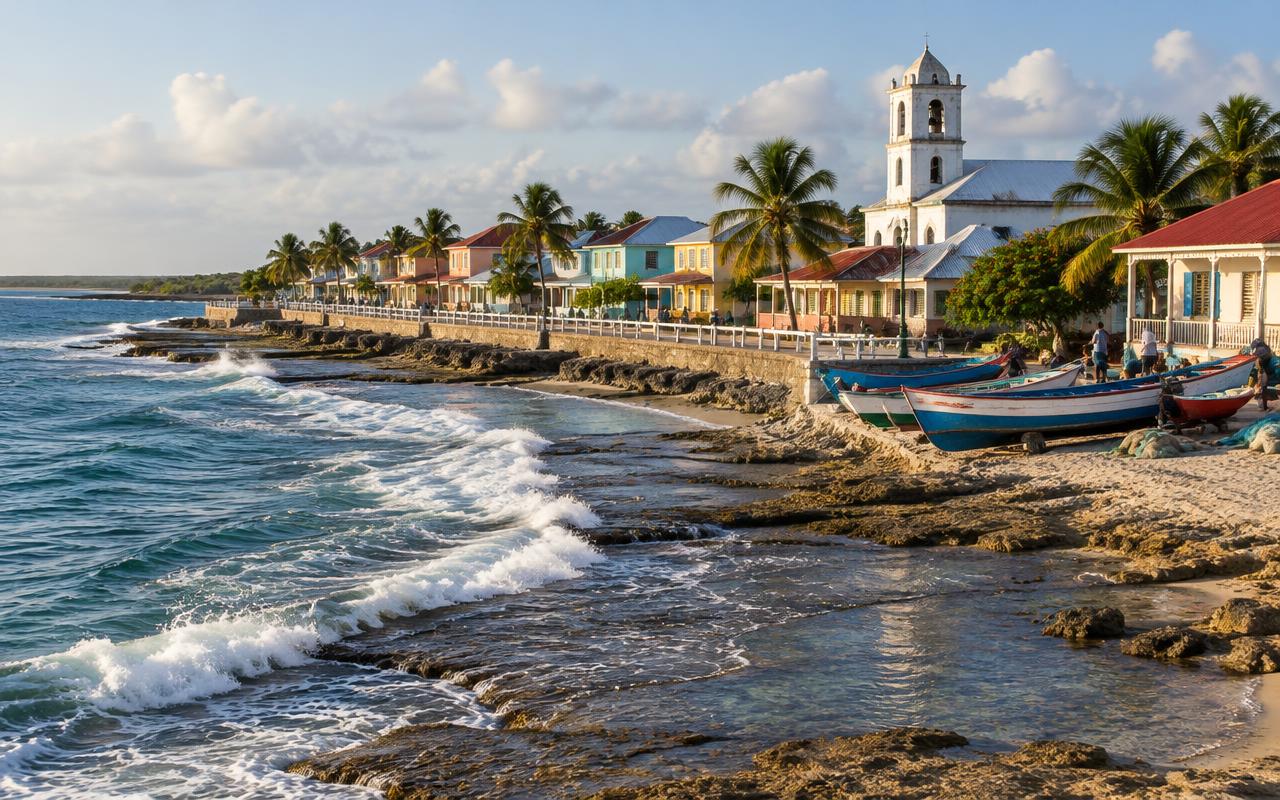
In Le Moule, your gaze moves from the streets of the centre to the Atlantic, then to the landscapes and trades of sugar cane. The town reveals itself through these connections: a walk, a question at the market, the waves at Damencourt or a heritage visit. This guide helps you choose and explore these experiences in greater depth; the ‘What to do in Le Moule in 1 day?’ itinerary offers a flexible sequence.
Three starting points for understanding Le Moule
To discover Le Moule, think less in terms of a list of monuments and more of three interconnected landscapes: the town, the Atlantic and sugar cane. The centre offers an initial encounter with everyday life; the coast brings the ocean’s presence into focus; Damoiseau offers insight into agricultural processing. These starting points let you follow your curiosity, without reducing the municipality to a beach or a former economic role. You can spread them across several outings while keeping the same thread of questions: how do people work here, how do they get around, what role does the sea play? This approach adds depth to visits that would otherwise remain simply side by side.
Discover the centre through its details too
In the public spaces of the centre, pause to look at what you can actually observe: a façade, a shop sign, the layout of a street or the relationship between a square and its shops. Then look for an explanation on information boards or at the tourist office, rather than instinctively assigning an age or function to buildings. A good starting point is to pick a detail that intrigues you, then follow that question during your walk. You do not need an exhaustive inventory to get to know a town. A conversation about a product or a custom will sometimes leave you with a more vivid memory than a succession of photographs without context.
L’Autre Bord and Damencourt: two ways of enjoying the shore
L’Autre Bord and Damencourt offer two tangible starting points for discovering the coast of Le Moule. For the first, imagine an outing whose pleasures can remain entirely on land: settling down, watching the shore and sharing a break. At Damencourt, the interest may lie in surfing, the wait between waves and the way surfers read the ocean. You do not need to take part to observe these things. Above all, they help you understand that the same coastline accommodates several uses. When choosing, distinguish between the place where you want to settle down and the one you want to observe. The article devoted to the coast explores this perspective further, without turning these reference points into a continuous route.
Connect flavours with sugar-cane country
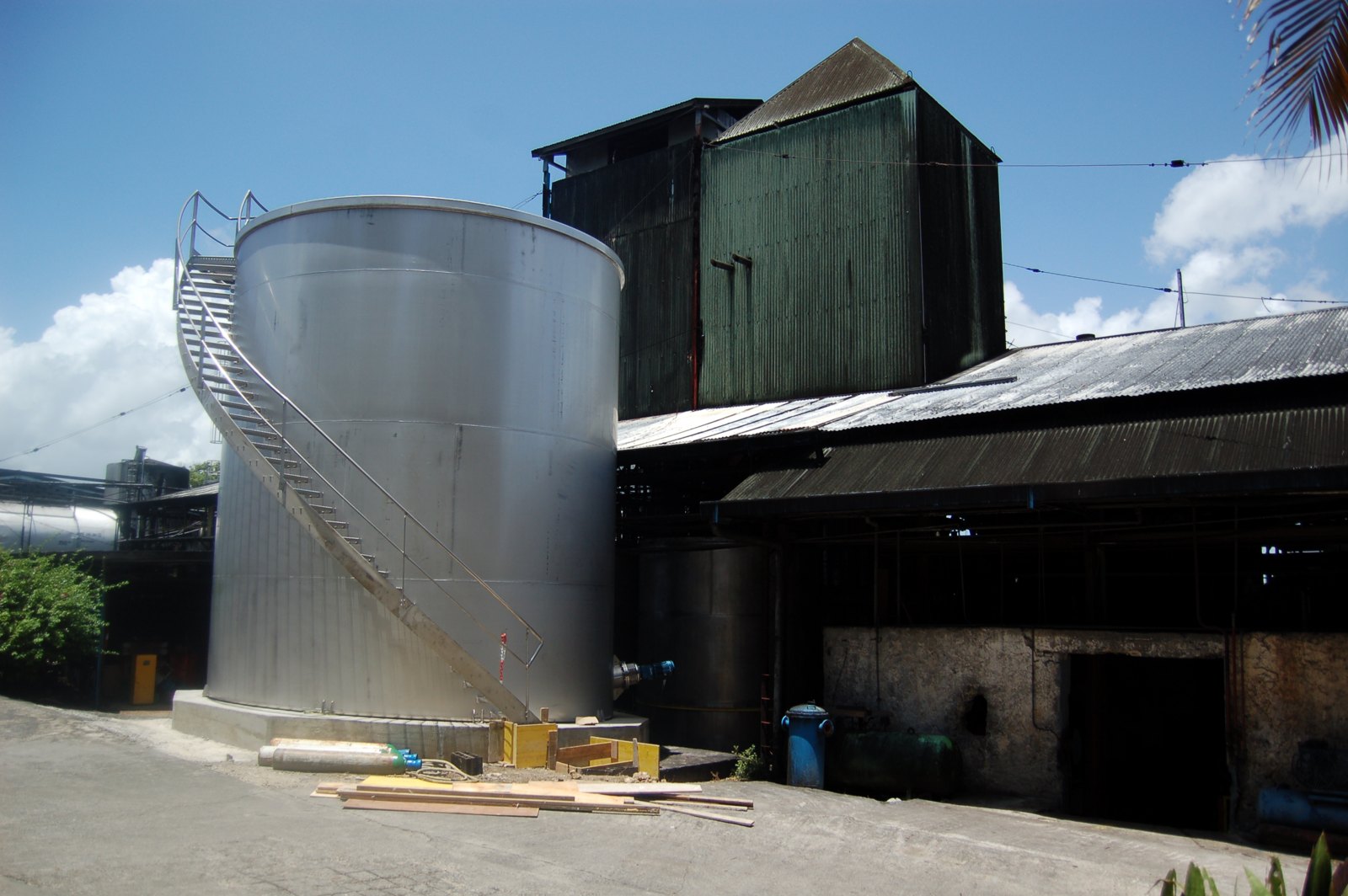
Discovering Damoiseau becomes more meaningful if you arrive with simple questions: what raw material goes into production, which processes are explained, what words describe the different stages? Keep that curiosity alive in the shops and at a market whose opening has been confirmed. Asking how to use a product brings you closer to everyday cooking, beyond buying a souvenir. You can choose just one dish to discover, then find out what goes into it. The town guide remains a starting point here: arrangements for distillery visits and market schedules are covered in dedicated articles and the organisers’ current information.
Understand the town before setting off
Start with the centre and the seafront to get your bearings. Look at the relationship between shops, public spaces and the ocean rather than simply passing through the municipality to reach a beach. Heritage information boards and tourist office resources help place sites in their historical context without assigning an assumed function to every building.
Choose between the beach and watching the waves
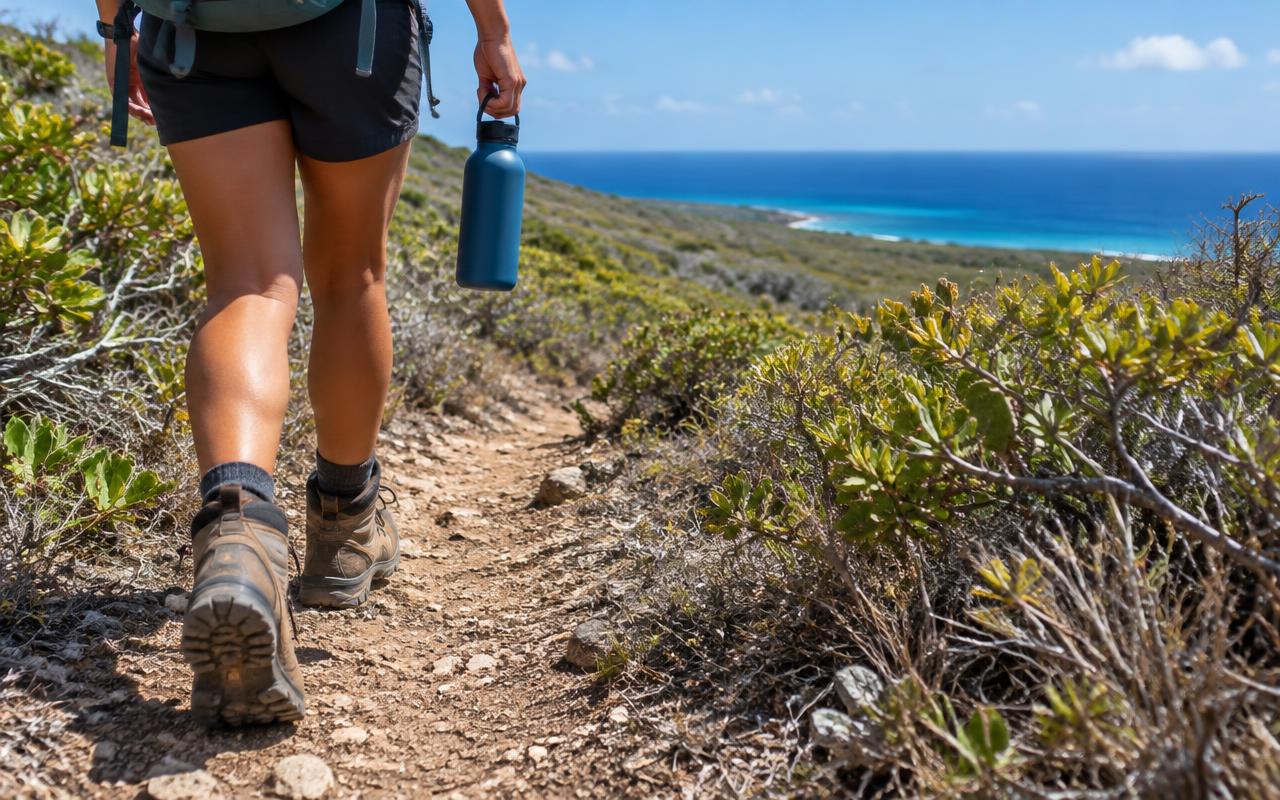
L’Autre Bord is among the beaches featured by the tourist office. Damencourt is known for surfing. These names do not describe the same experience: watching surfers from land and choosing a swimming area involve different criteria. Check sea conditions, signs and local advice; do not enter the water if in doubt.
Discover the rum heritage
Damoiseau distillery offers another perspective on the municipality: sugar-cane cultivation, processing and the history of rum. Enquire directly about accessible areas and visiting arrangements. A tasting is not necessary to appreciate this stop; arrange driving without alcohol consumption.
Get a taste of local life
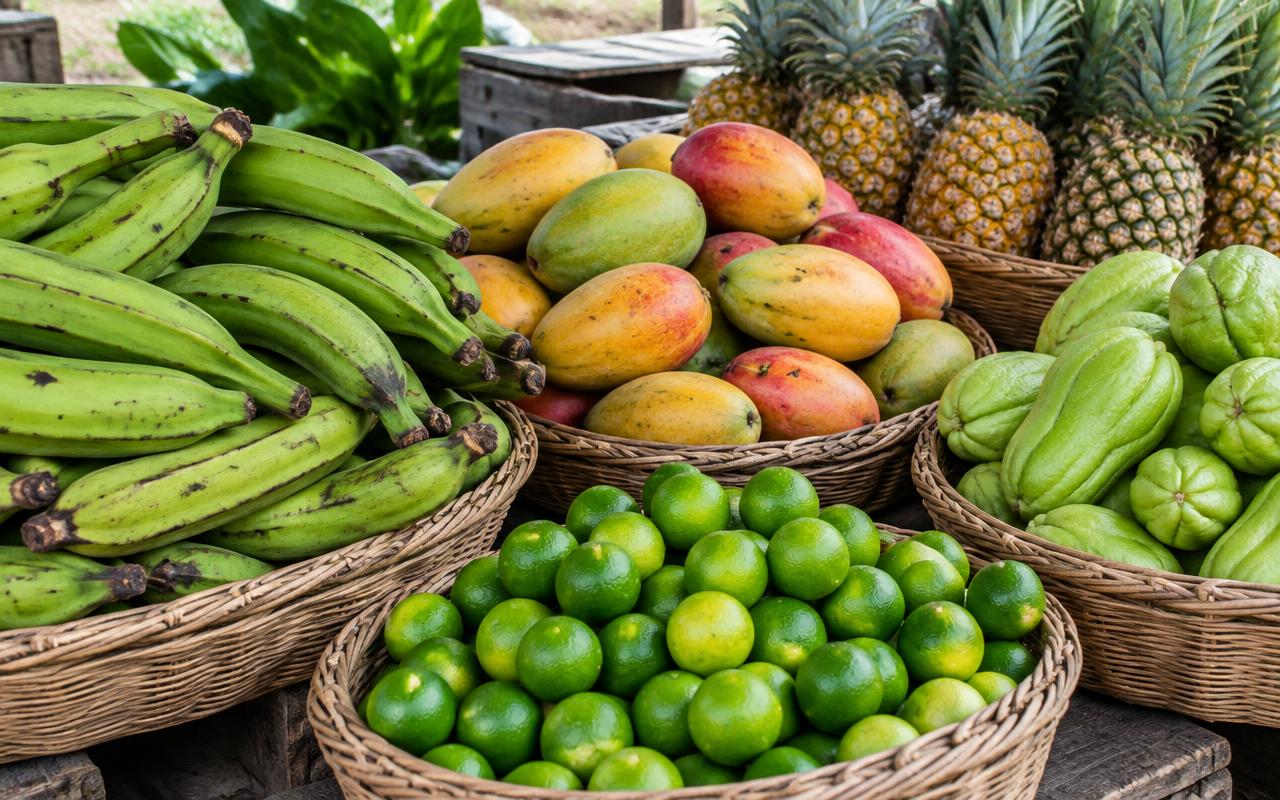
Markets offer an opportunity to meet traders and discover local vegetables and Creole dishes. Their operation and schedules should be confirmed for your stay. Ask how to prepare unfamiliar products, maintain the cold chain and ask people’s permission before taking a photograph.
Plan your visits around your interests
For a cultural discovery, combine the centre and the distillery; for the coast, prioritise walking and watching the surfing; for flavours, build your outing around a confirmed market. Leaving some flexibility allows you to enjoy encounters and adjust your plans to the weather, your energy levels and availability.
Reference sources
Stay in Grande-Terre
Our homes in Le Moule and Saint-François.