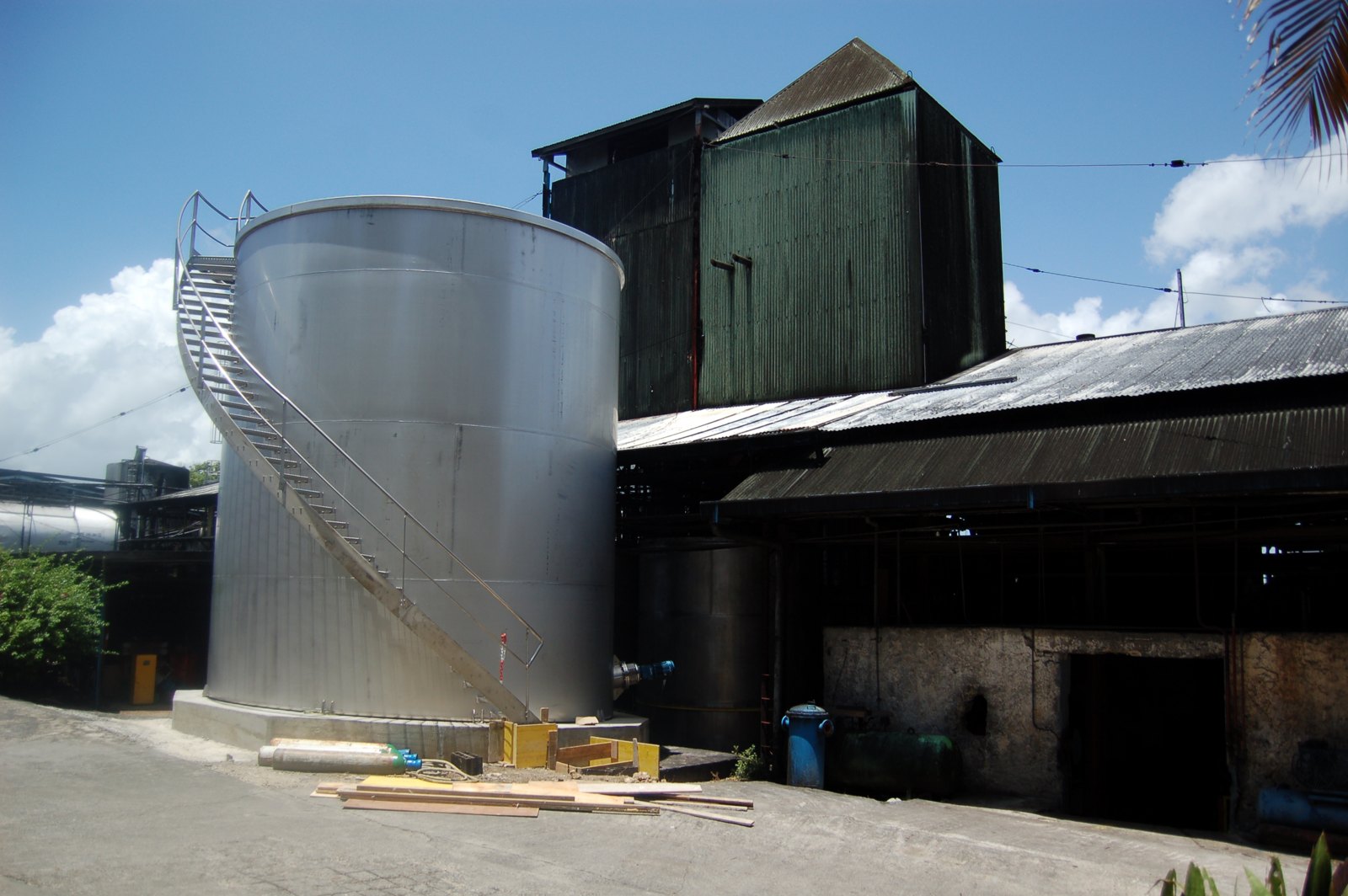
Damoiseau Distillery — KoS · CC BY-SA 3.0
2 March 2026 · 4 min
Updated on 03/11/2026 · Original article: 09/02/2026
The date above follows the editorial calendar; the content was revised on the update date.
At Damoiseau, sugar cane becomes a thread for understanding the Le Moule area: agricultural raw materials, processing, terminology and trades. The experience is about more than a collection of machines or a tasting. Arriving with a few questions will help you make more sense of the areas actually open to visitors. This guide connects the visit with the landscape and local life, while leaving opening hours, visitor arrangements and opportunities to see production to be confirmed directly with the site.
Follow the raw material rather than tick off machines
To appreciate Damoiseau, let sugar cane be the guiding thread of your visit. The useful question is not just “what is this machine?”, but “what happens to the material at this stage?”. Production terminology then becomes clearer: juice extraction, fermentation and distillation involve different transformations. Ask staff or the guide what explanations are available in the areas actually open to visitors.
This approach also works when the equipment is not operating. A panel, a diagram or an item on public display can help explain the production sequence, without promising the spectacle of a working production area. With children, try explaining a stage together in simple words rather than memorising all the technical terms.
Connecting rum with the landscape of Le Moule
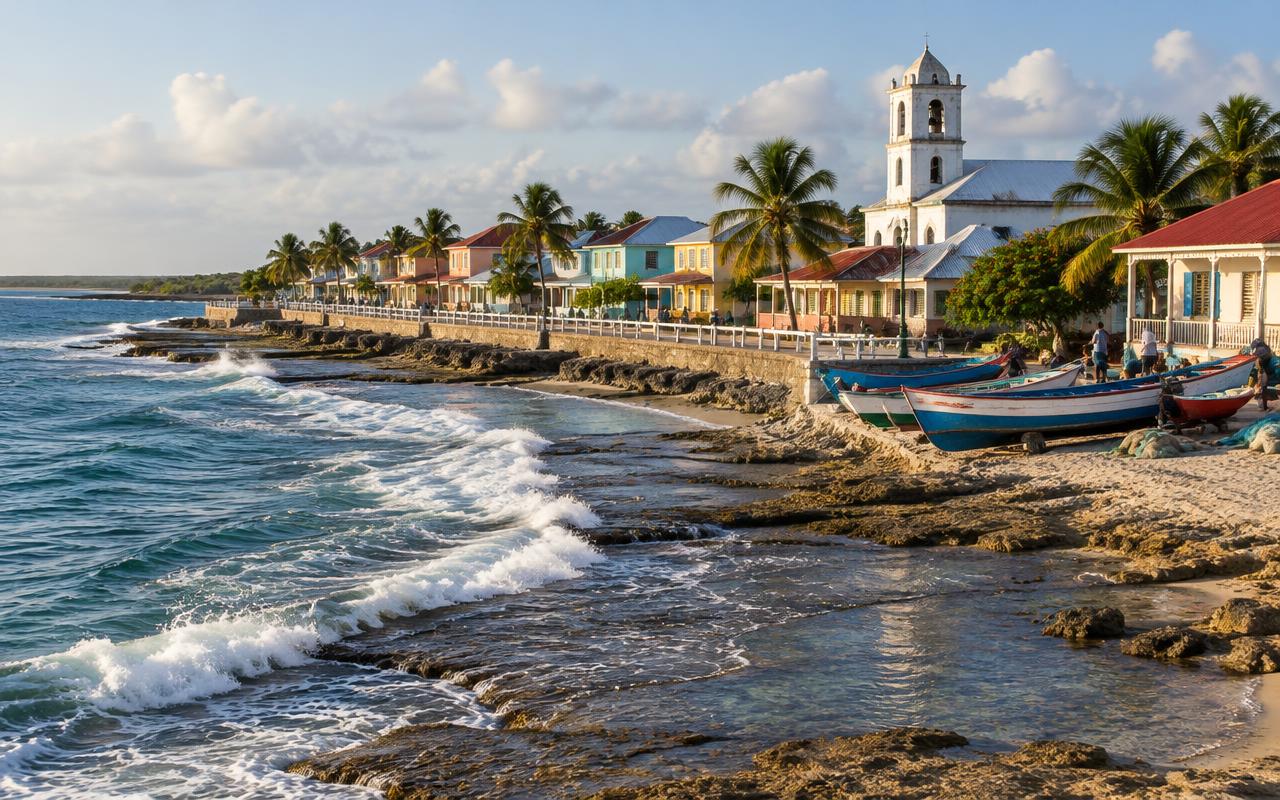
The distillery makes more sense when placed in the context of the area where you are staying. Sugar cane heritage is not just about a drink: it opens up conversations about agricultural work, processing and the movement of products. In Le Moule, this visit therefore offers a complementary perspective to a walk around town or time spent observing the Atlantic coastline.
However, keep a distinction between the general history of sugar cane and the specific history of the establishment. Dates, changes of ownership or the origins of a building should come from documented information on site, not from assumptions made in front of an old façade. You can ask which archives or materials tell the story of the place. This attention brings the experience to life: it also makes room for the people and trades behind the equipment, without inventing an anecdote for every object.
Choosing what you want to understand and take home
Before setting off, discuss the group’s expectations. Some people are interested in production, others in agricultural landscapes or product terminology. A shared priority helps you prepare a few specific questions: what raw material is used, which stages are explained, how do you read the information on a bottle? You do not need an exhaustive visit to come away with a solid understanding.
If you would like to buy a souvenir, take time to read the labels and ask for explanations, without any obligation to taste. Distinguish between a description of production and talk of taste preferences: a commercial designation is no substitute for an explanation of a process. You can take full part in this heritage stop without drinking or buying alcohol.
To extend the day, choose a different kind of activity in Le Moule afterwards, such as a walk around the centre or shopping at businesses that are open. The contrast between a production site and everyday life avoids a succession of similar visits. Note down a discovery or a word you have learnt: this little thread will help you recall the meaning of the visit long after you return.
Discovering how sugar cane is processed
Damoiseau is among the distilleries featured by the Îles de Guadeloupe tourist office. Pay attention to explanations about the raw material, production stages and terminology. An industrial facility remains a workplace: do not enter a restricted area to get a closer look at a machine.
Confirm arrangements before travelling
Ask the site about opening days and hours, whether self-guided or guided visits are available, which areas are open and any charges. Also check accessibility and arrangements for children. This revision does not confirm these operational arrangements or promise that production will be visible.
Tasting is not essential
The heritage interest does not depend on drinking alcohol. If a tasting is offered, it is for adults only and must be compatible with your health and return journey. Designate a driver who does not drink. For purchases, find out which transport rules apply to your trip.
Continuing your discoveries in Le Moule
Combine this visit with the centre, a confirmed market or a coastal walk rather than fitting in several distant places. Flavours and landscapes make more sense when connected to life in the town. Keep an alternative in mind in case the distillery cannot welcome visitors.
Reference sources
Stay in Grande-Terre
Our homes in Le Moule and Saint-François.