29 June 2026 · 4 min
Updated on 03/11/2026 · Original article: 26/05/2026
The date above follows the editorial calendar; the content was revised on the update date.
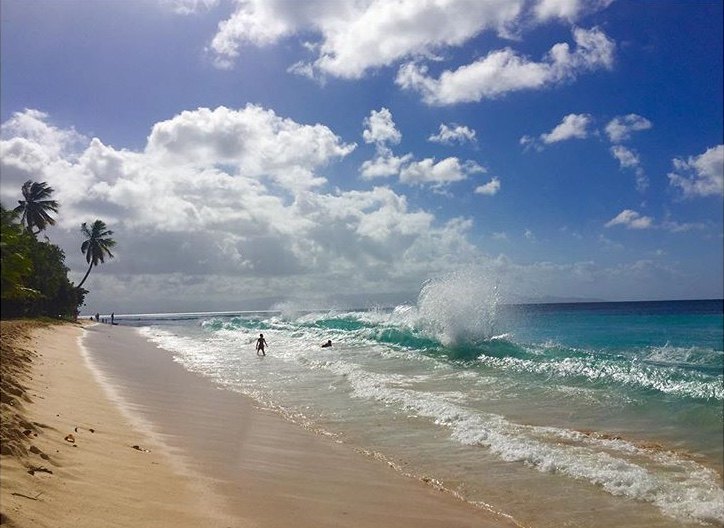
At L’Autre Bord, the shore invites you to pause; at Damencourt, eyes follow the surfers as they wait and move. The coast of Le Moule offers several ways to encounter the Atlantic, without every place meeting every wish. Here is how to plan a discovery of the coast on land, distinguish walking from surfing, then decide whether to swim based on actual conditions rather than the beauty of a photograph alone.
Choose your perspective before choosing a beach
The coast of Le Moule is best explored with a clear purpose in mind. Would you like to walk in a developed area, settle down facing the water or understand what draws surfers here? These three interests will not necessarily lead you to the same place. For a first visit, choose one main activity and leave the others as extras. You will take in more of the scenery if you are not looking for a beach, a restaurant and the start of a walk all at once. This activity-led approach also avoids judging the entire coastline by a single stop: an area that is good for watching waves need not fulfil every requirement of a seaside outing.
At L’Autre Bord, make time for the sand
L’Autre Bord is a useful place to keep in mind when planning an outing by the water, without making swimming its sole purpose. Bring a book, a notebook or a game that does not involve going into the sea. Observe how the shoreline is laid out from your resting spot: the horizon, the sand, the paths and the activities you can see. With friends or family, everyone can choose a detail to show the others. This little exercise turns a walk into a shared moment, without adding a booked activity or another journey. Before settling down, check what really matters to you, particularly a suitable place to rest, rather than assuming that particular facilities will be available.
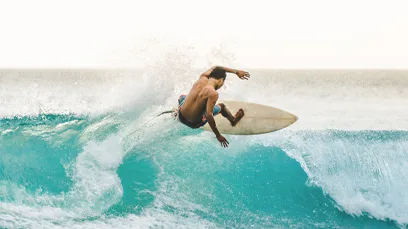
At Damencourt, look at surfing differently
Damencourt offers a way to approach the coast through an activity rather than a postcard view. From a suitable spot on land, follow the same surfer through several stages: preparation, waiting, moving, attempting a wave and then returning. You will see that surfing is not just about the moment when someone stands up on a board. Waiting and making choices are also part of the spectacle. If a school or professional is available, a few questions about the terminology can enrich your observations. Do not, however, turn a conversation into a request for an impromptu lesson. To try it yourself, the dedicated surfing guide will help you prepare a separate enquiry based on your experience.
Create a small series of landscapes
To photograph or draw the coast, choose three compositions rather than constantly seeking a new viewpoint: a wide view, a shoreline detail and a scene of activity with no identifiable people. Return to these compositions during your outing and note what changes in the light or the movement of the water. This method gives your memories a sense of unity, even if you visit only one area. It requires no supposedly ideal time of day and does not mean following the entire coast. A walk can simply be an out-and-back route along a confirmed path; its limits are also part of the landscape you choose to explore attentively.
Read the Atlantic landscape
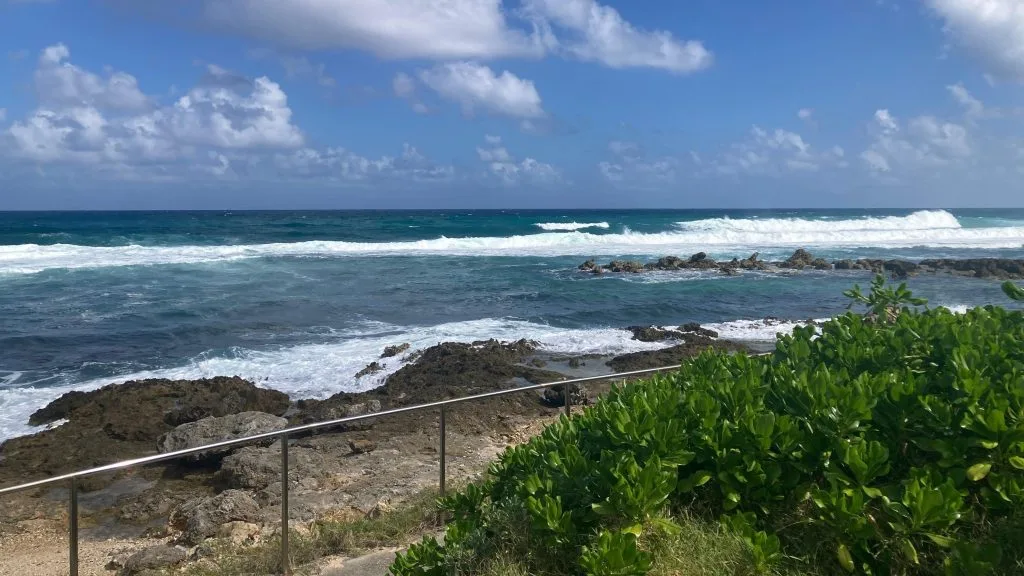
From the seafront, observe the swell, the visible reefs and the changing shoreline. The ocean may seem calm from a sheltered spot while being rough elsewhere. A walk offers a glimpse of the coastline, not a safety assessment for swimming or board sports.
L’Autre Bord for an outing by the water
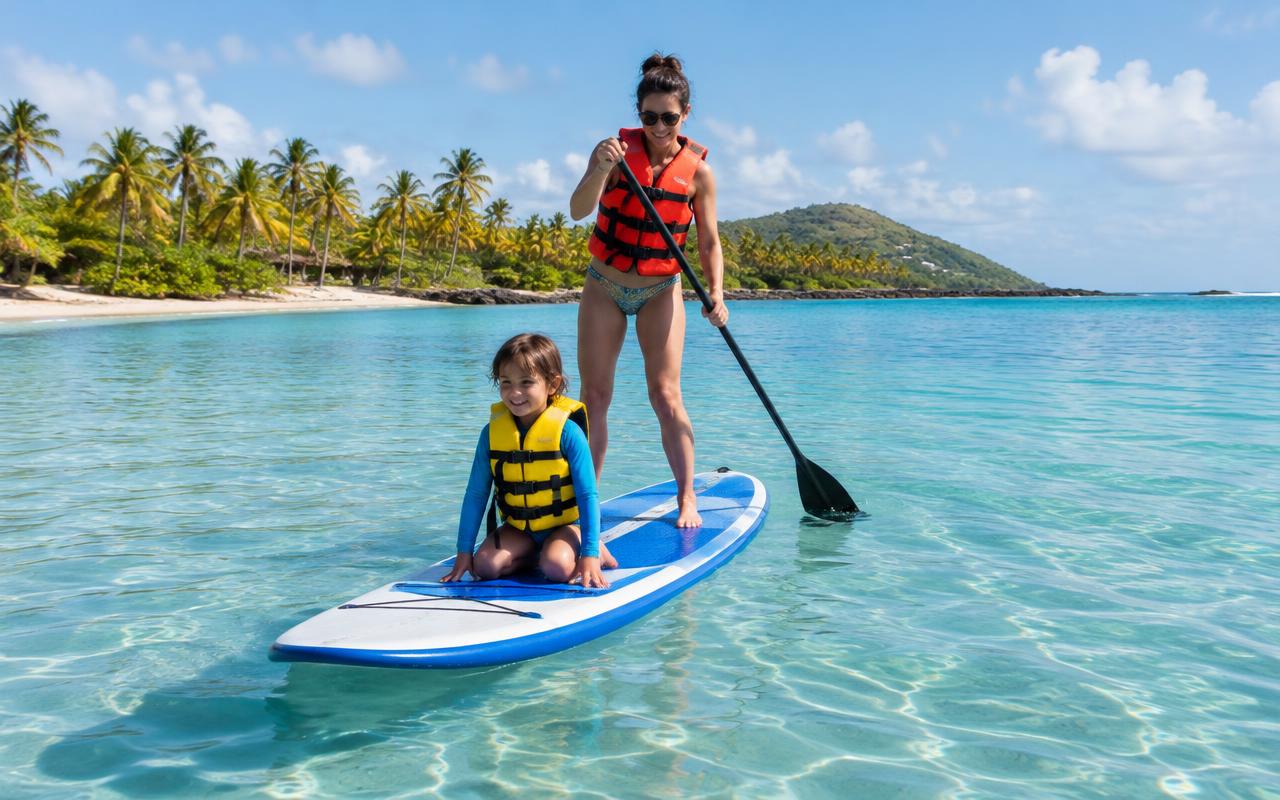
This beach is a tourist landmark in Le Moule. Identify authorised access points and places to rest before settling down. Do not assume that lifeguards are present because the site is busy. With children, maintain active supervision and plan activities on the sand too, in case the sea is unsuitable.
Damencourt: watch or try surfing
The spot is mentioned in tourism resources devoted to board sports. The waves attract surfers, but that does not guarantee that a beginner’s lesson will be possible on the day of your visit. A local professional can assess your ability and the conditions. On land, keep surfers’ access routes clear and do not settle on rocks battered by waves.
Walk without forcing a way through
Choose clearly identified public paths. Do not enter private property or bypass a closure to continue as close to the sea as possible. Take your litter with you; in rocky areas, move back if there is sea spray or a heavy swell. This guide describes an exploration of the coastline, not a continuous waymarked trail.
Reference sources
Stay in Grande-Terre
Our homes in Le Moule and Saint-François.