1 June 2026 · 4 min
Updated on 03/11/2026 · Original article: 08/05/2026
The date above follows the editorial calendar; the content was revised on the update date.
Waking up facing the ocean can be part of the pleasure of a stay in Guadeloupe. But a sea view, a seafront location and a path to a beach describe three different realities. Before choosing a villa, turn the listing’s wording into concrete information: what will you see, how will you reach the shore and where might you consider swimming, depending on local conditions? This guide helps you assess a coastal location without attributing benefits to it that it does not guarantee.
Understand what the sea view actually shows
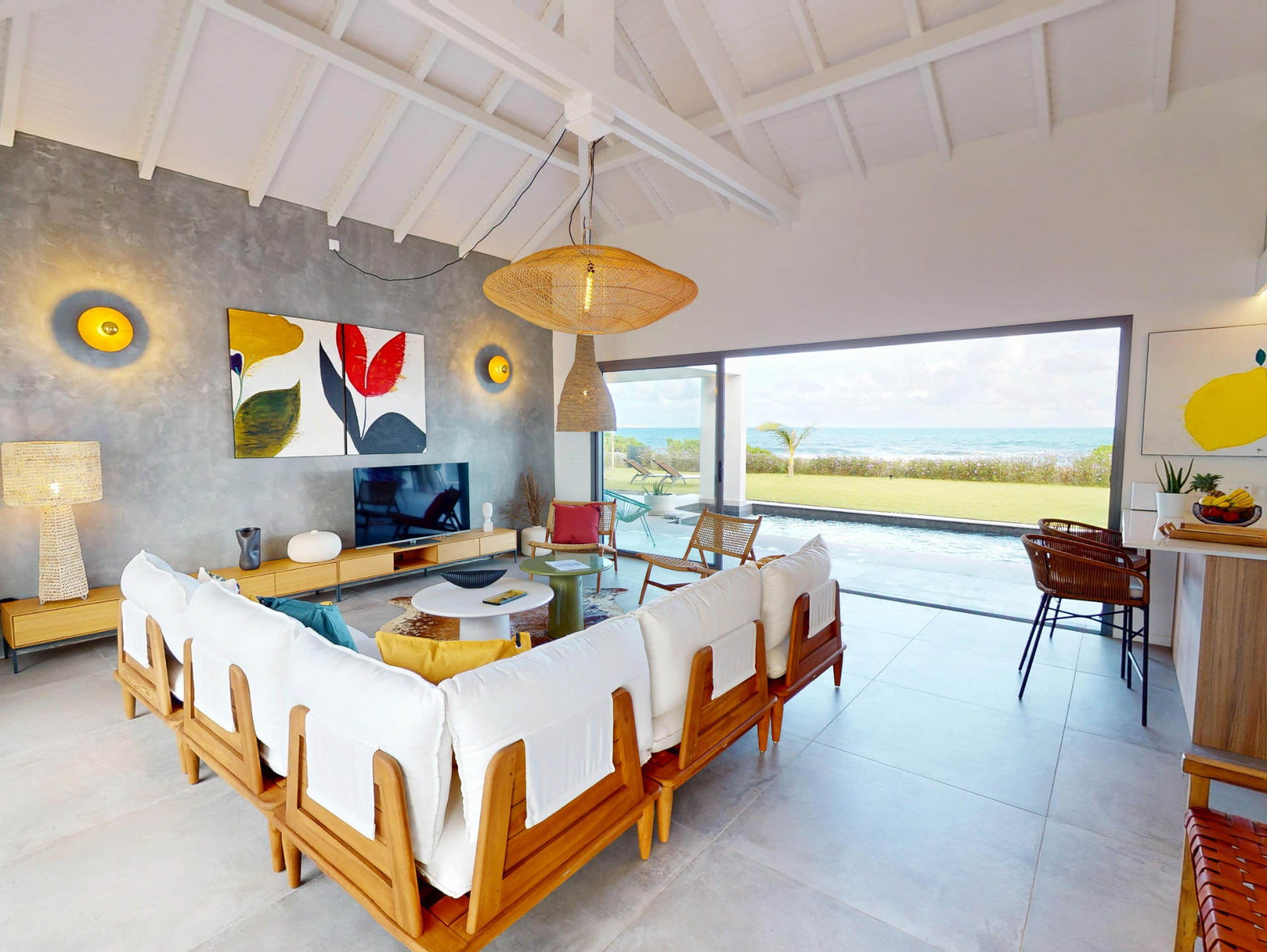
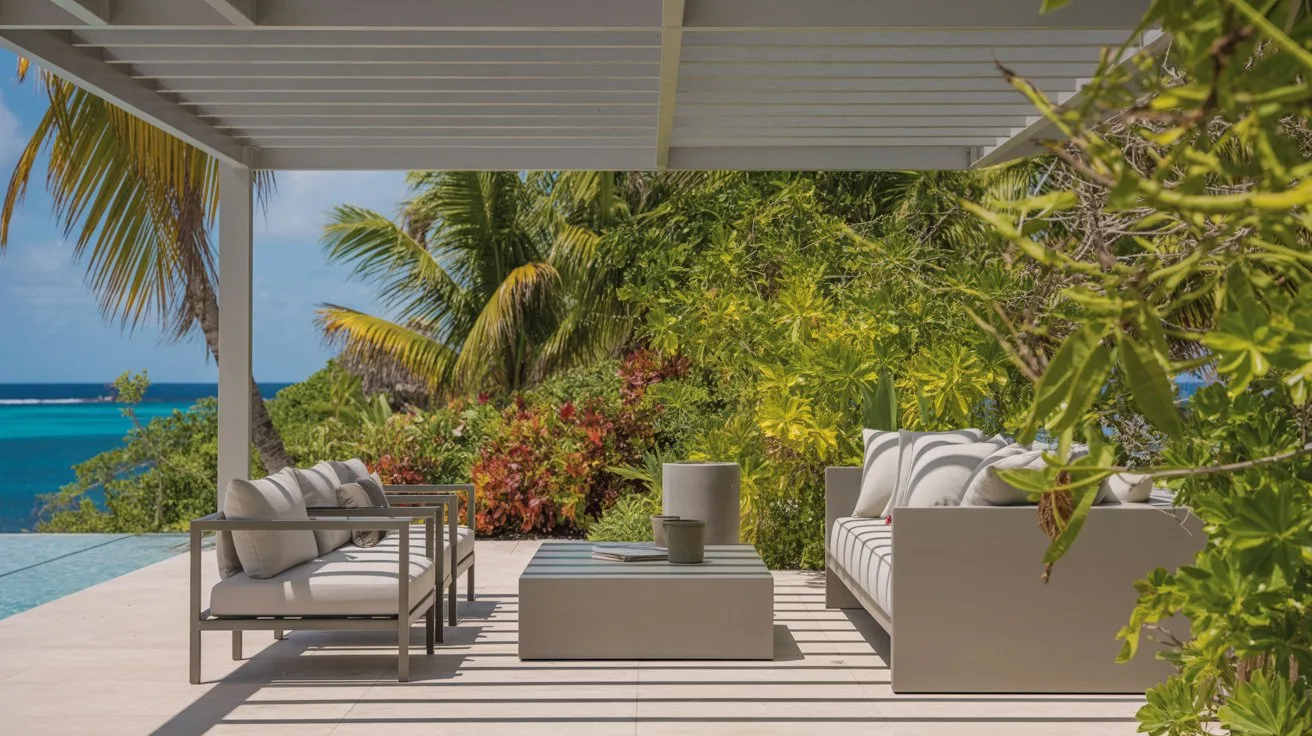
Ask which rooms and outdoor spaces offer a view of the sea. A photograph taken standing in one corner of the terrace does not necessarily reflect the outlook from the table or bedrooms. Ask whether the view is unobstructed, partial or dependent on a particular vantage point.
Look at several images and how they are framed. The view that matters is the one you will enjoy in everyday use, not just the one in a spectacular photograph. If you want to read, eat or relax facing the water, check the furniture layout. A sea view tells you neither how far you need to travel nor what the shoreline is like.
Distinguish a seafront location from practical access to the coast
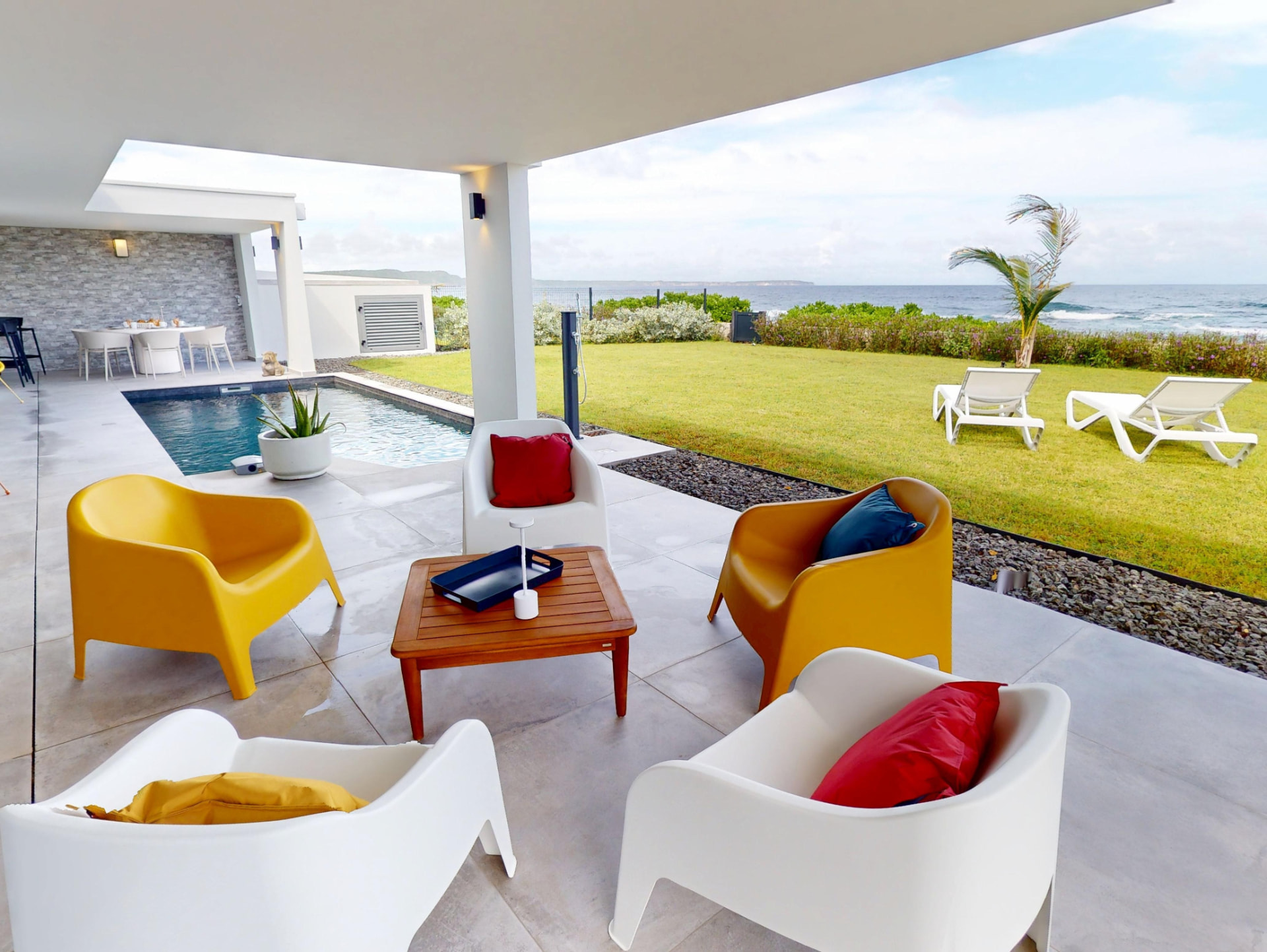
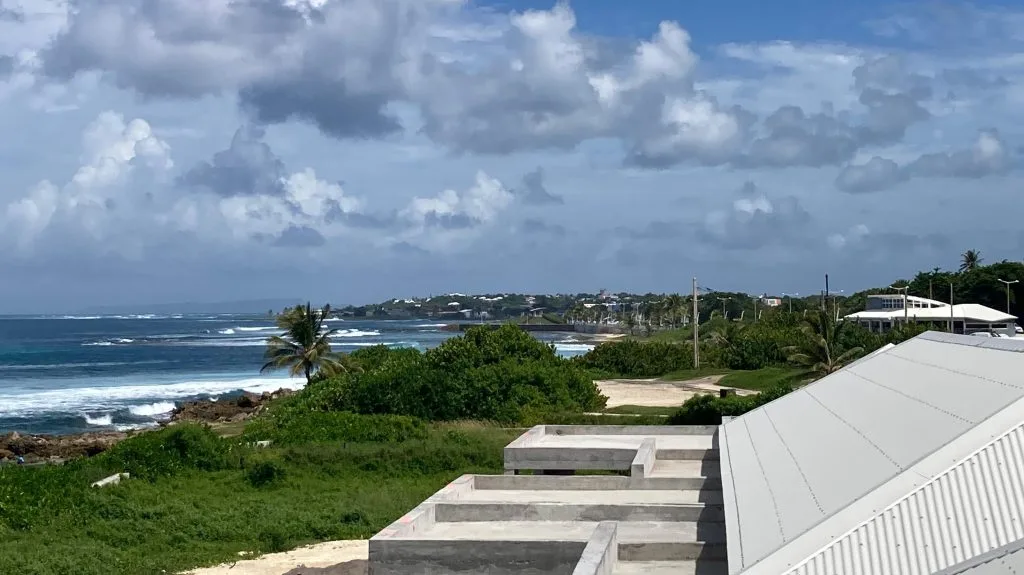
An ocean-facing property may overlook rocks, a cliff, a road or a natural area. Ask exactly what separates the property from the water’s edge. If access is advertised as direct, ask for a description of the route: gate, steps, shared passage, slope and arrival point.
Check public access conditions and any local restrictions. Do not assume that the accommodation’s proximity means there is a private beach or an exclusive right to the shore. A map helps you understand the location, but photos of the path and a precise description are necessary if ease of access is your main criterion.
Assess swimming separately from the accommodation
A beautiful view does not mean that a site is suitable for swimming or snorkelling. Find out about permitted activities, signage and up-to-date local information. Once there, instructions and conditions on the day take precedence over a listing description or memories of a previous trip.
If your stay revolves around frequent swims, also identify an alternative to the immediately adjoining shore. Ask about the actual route to the places you are considering, without assuming that a sea that looks calm is safe. With children, the mention of a lagoon or swimming pool in the description never replaces an assessment of conditions or close supervision.
Anticipate exposure in the spaces you will use
The seaside experience also involves wind, sea spray, light and sounds. Ask about the terrace’s exposure and which areas offer shelter. For meals, look for a space that remains pleasant in different conditions, rather than simply a large outdoor area.
If you are sensitive to noise, ask about the immediate surroundings and how the rooms can be closed off. Do not assume there will be constant silence or ideal ventilation simply because of the ocean. Orientation also matters for the light you are looking for: a sea-view listing does not guarantee a sunset facing the terrace.
Check routes and access with your group in mind
Picture yourself with bags, shopping, a pushchair or beach equipment. A path that is easy for an adult without luggage may be less suitable for someone who is tired or for a child. Ask for details of steps, surfaces, lighting and whether there is another way back if the route becomes uncomfortable.
Check parking and access to the villa’s entrance separately. Being close to the water does not mean being close to shops, or being able to spend the whole stay without a vehicle. If several people want to spend their days differently, consider how each person will be able to go out. The best coastal location is one that suits your actual mobility.
Compare two villas beyond the view
For each option, summarise the view, the route to the coast, the swimming options you are considering and the conditions for spending time outdoors. Add the rooms where you can settle down if you stay inside. This approach avoids basing the whole decision on a single photograph.
Finally, ask for confirmation of the equipment and services that matter to you, without treating a seaside location as proof of quality. One successful stay might prioritise the view and plan for swimming elsewhere; another might focus above all on convenient beach access. Both are legitimate plans, which sometimes call for very different accommodation.
Stay in Grande-Terre
Our homes in Le Moule and Saint-François.