Generated illustration — not a depiction of a specific location
11 May 2026 · 4 min
Updated on 03/11/2026 · Original article: 23/04/2026
The date above follows the editorial calendar; the content was revised on the update date.
Living in a holiday apartment, even for a few days, means finding your bearings: putting bags away, making breakfast, drying your things and respecting everyone’s routines. To make the most of your stay in Guadeloupe, look at how the property works when you actually live in it. This guide focuses on everyday organisation and using the residential complex; calculating the budget and assessing flexibility terms call for a separate comparison.
Put your belongings away without cluttering the living space
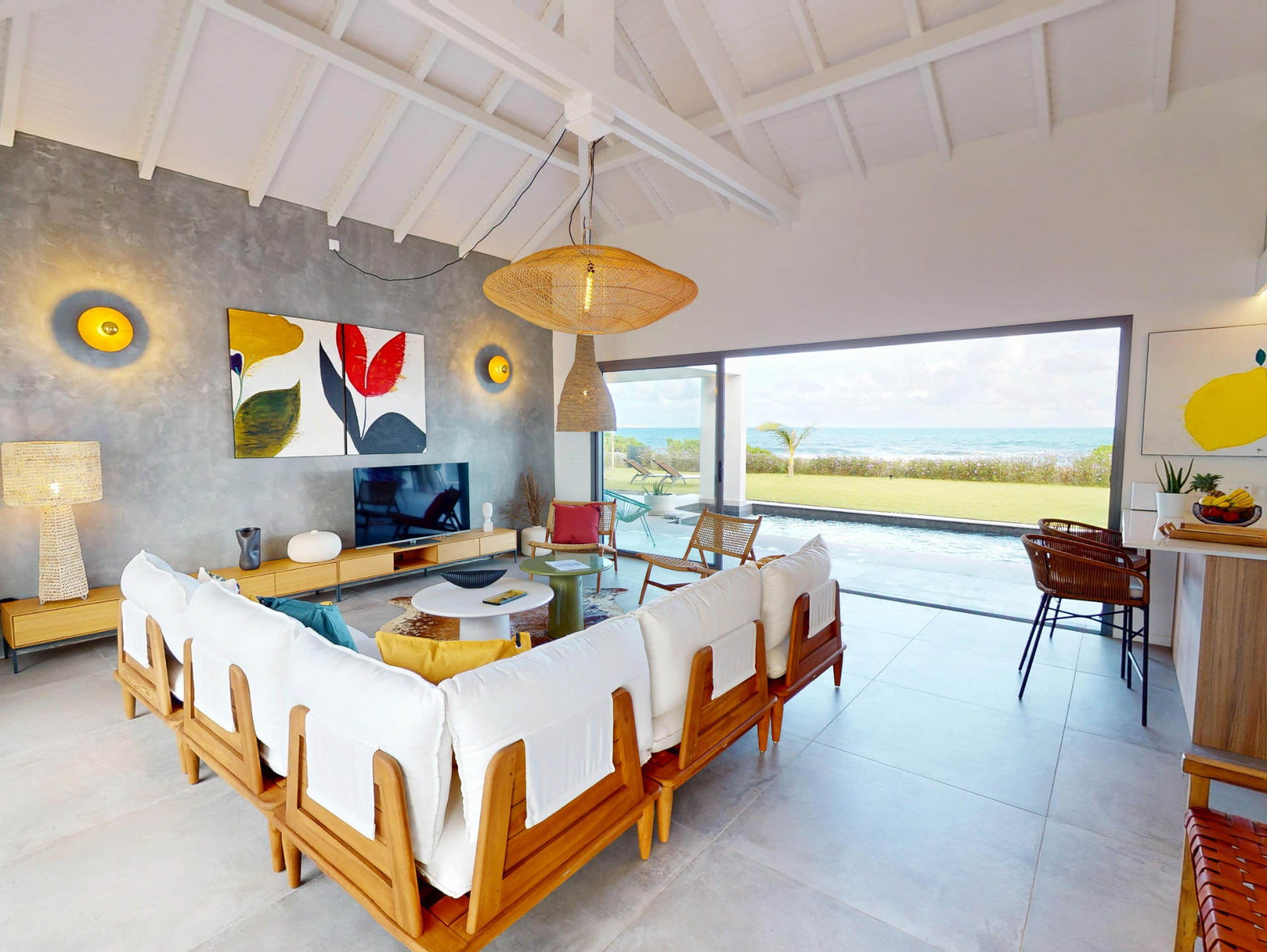
Before choosing, identify the storage and the space around the sleeping areas. An apartment can look spacious in photos taken without luggage, then become less practical with suitcases and beach bags. Ask where to store belongings if a sofa needs to be unfolded every evening.
On arrival, designate a few simple places for keys, shoes, damp clothes and useful documents. If the living room also serves as a bedroom, agree on what needs moving and when it becomes a shared space again. This modest bit of organisation avoids leaving the person sleeping there to rearrange their space alone every day.
Accommodate different routines
An open-plan kitchen, a bedroom near the entrance or a terrace adjoining the sleeping areas all affect group life. Look at where you can talk, read or prepare a meal without disturbing someone who is resting. Doors and routes through the property often matter more than a general impression of spaciousness.
If one of you gets up early, imagine their route to the kitchen and shower room. If someone needs to work occasionally, identify a spot that does not monopolise the dining table. The aim is not to demand several dedicated rooms, but to understand which activities can happen at the same time and which will require agreement between guests.
Get to grips with the kitchen and small chores
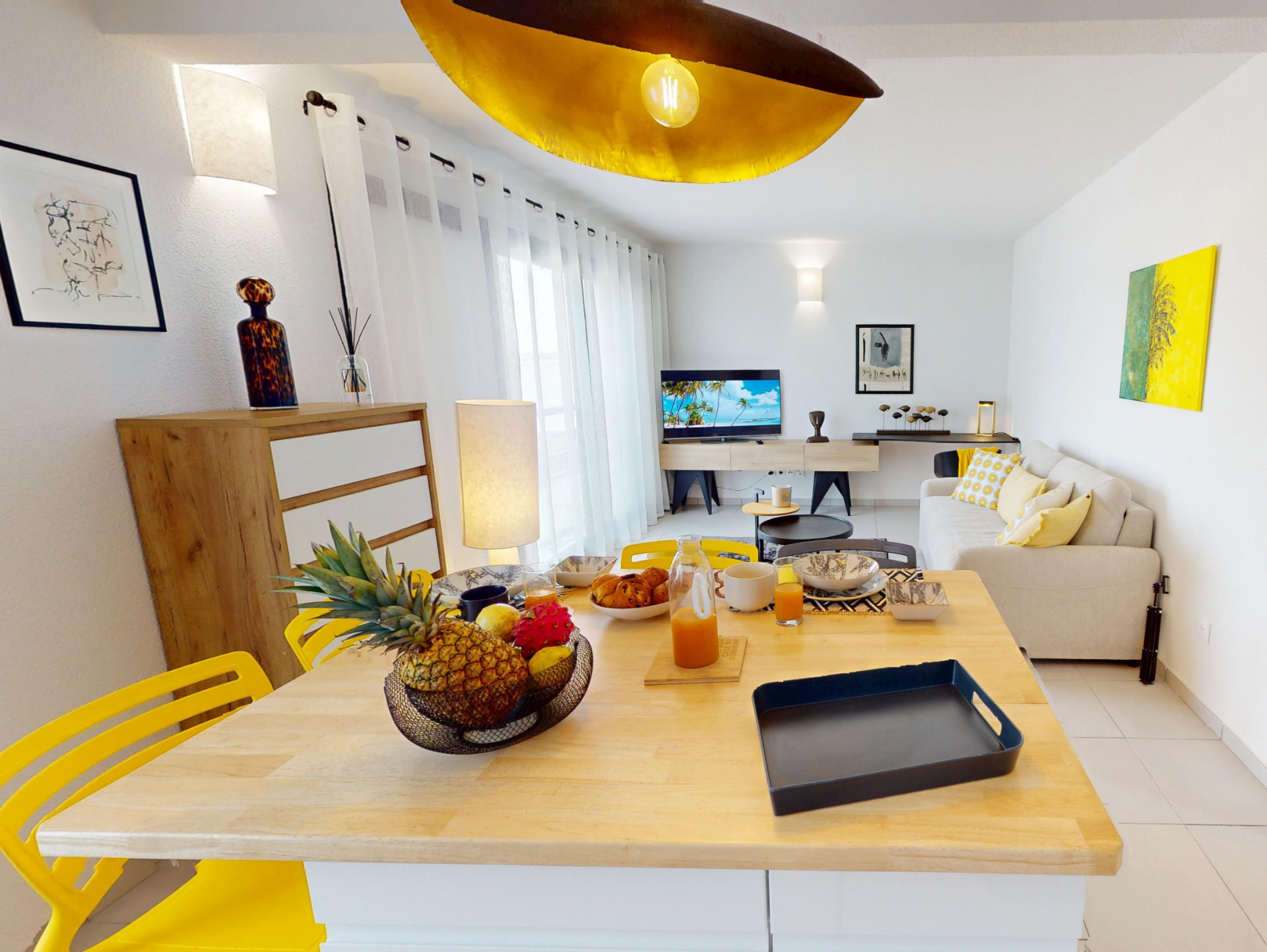
Ask which appliances are available and how to use them, especially if you plan to prepare meals regularly. Also check the crockery available and the space for storing groceries. A kitchen described as equipped may cater for very different uses depending on the property: it is better to spell out your essential needs.
Once there, find the instructions for rubbish, recycling and routine cleaning. Clarify what you are asked to do on departure and what is covered by an arranged service. A few shared rules, such as tidying up after a meal or planning the next day’s shopping, prevent independence from becoming a build-up of tasks for one person.
Plan for laundry and returning from the beach
Check the towels and linen provided, then ask how replacements are arranged. Do not assume that bathroom towels can be used at the beach or swimming pool: consult the property’s instructions. If a washing machine is important to you, have its availability, access and conditions of use confirmed.
Also identify where to dry your things without obstructing movement or breaking the residential complex’s rules. Think about wet bags and sand before coming back inside, without assuming there is an outdoor shower. A simple routine on your return helps keep the apartment pleasant, even when several people are using a compact space.
Check the connection if it matters to your stay
A mention of Wi-Fi alone does not describe the conditions for a video call or remote working. If you have work commitments, ask for recent information about the connection and where you can set yourself up. A one-off measurement remains an indication, not a guarantee of uninterrupted service.
Plan a backup option compatible with your tools and data transfers. Avoid arranging a critical deadline on the assumption that any difficulty can be resolved immediately. Think about sharing the space too: working in the middle of the communal living room requires agreement on hours, noise and use of the table.
Find your place in the residential complex and neighbourhood
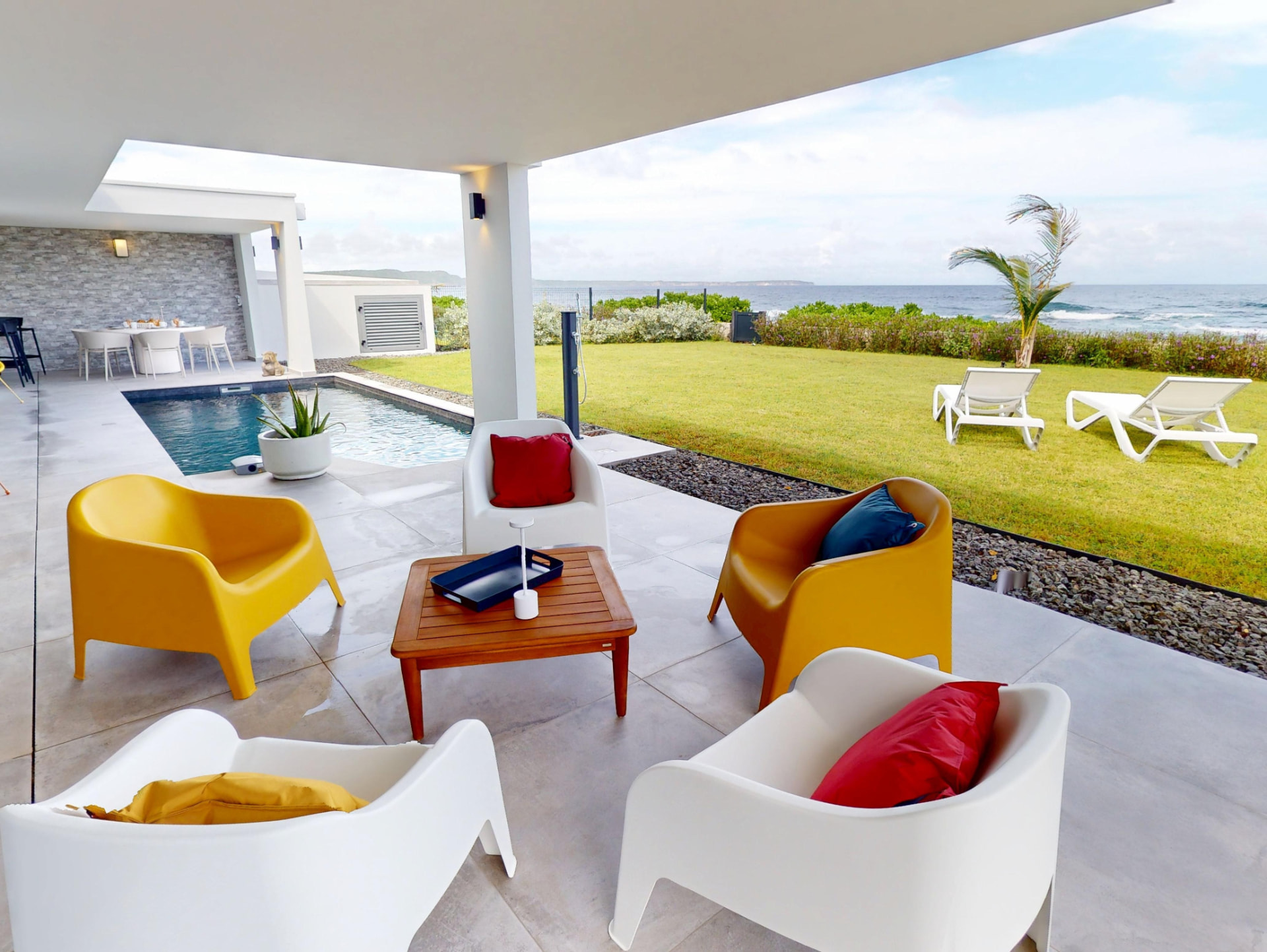
Consult the rules on noise, visitors, parking and shared facilities. A shared swimming pool may have hours or restrictions different from those of the property. Ask how to access it and which instructions apply, rather than assuming unrestricted use because it appears in the photos.
For regular shopping and outings, check routes from the actual entrance to the residential complex. Keep a contact for difficulties relating to the apartment and know how to report a problem in a communal area. Independence becomes more comfortable when the rules and points of contact are clear: you can then organise daily life without having to work out every step afresh.
Stay in Grande-Terre
Our homes in Le Moule and Saint-François.